Patterns in Player Behavior Data from Cross-Platform Freeware Strategy Titles
Written by Ines Krause · Jul 24, 2026
Patterns in Player Behavior Data from Cross-Platform Freeware Strategy Titles
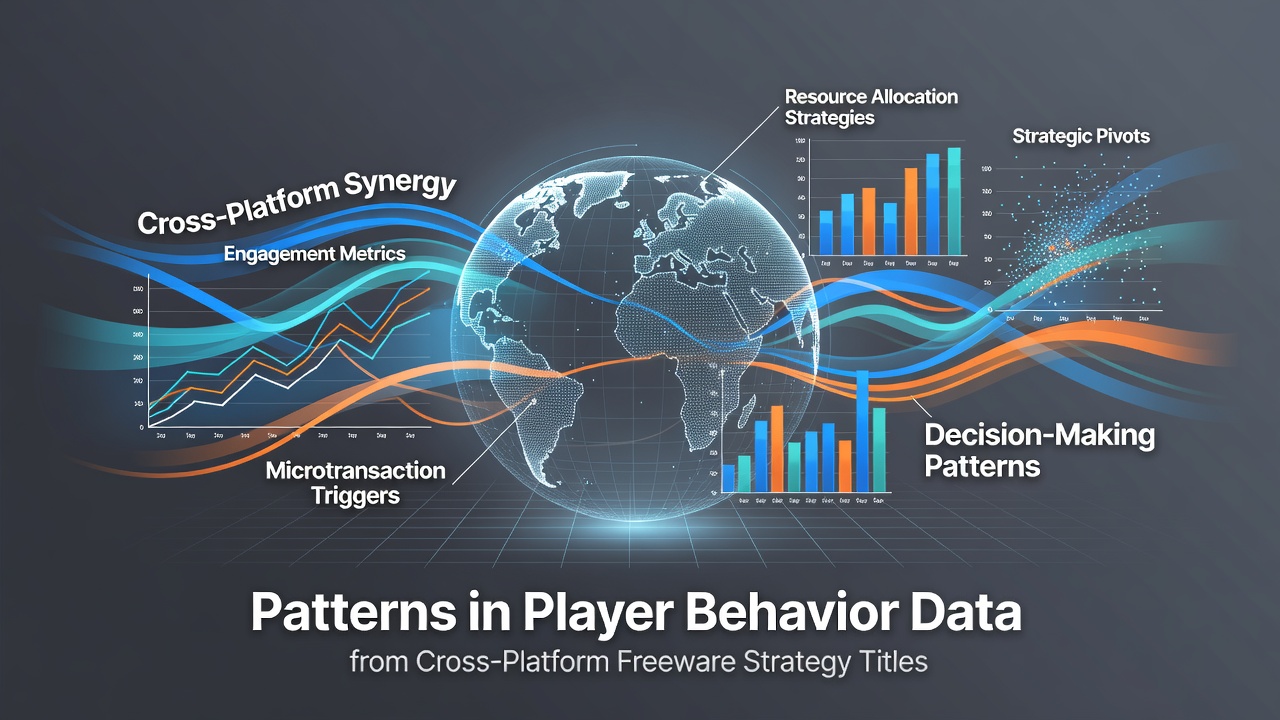
Analysts tracking freeware strategy titles available on both desktop and handheld systems have compiled extensive datasets that reveal consistent behaviors among users who engage with these games across multiple devices. Data collection occurs through integrated telemetry systems that log session durations, decision sequences, and progression milestones without requiring user accounts in many cases, and researchers note that these methods capture aggregate trends from millions of downloads each quarter.
Data Collection Mechanisms in Free Strategy Titles
Freeware developers embed lightweight analytics frameworks that record metrics such as resource allocation choices, map completion times, and frequency of restarts during tactical encounters, while platform-specific APIs from operating systems supply additional details on device type and connection stability. Studies conducted by academic teams at institutions in North America and Europe show that cross-platform synchronization features allow seamless continuation of campaigns between sessions on different hardware, which in turn generates comparable datasets that highlight how play styles adapt to screen size and input methods. Observers note that privacy-compliant aggregation ensures individual identities remain protected, yet broad patterns emerge clearly from the compiled logs.
Observed Behavioral Trends Across Platforms
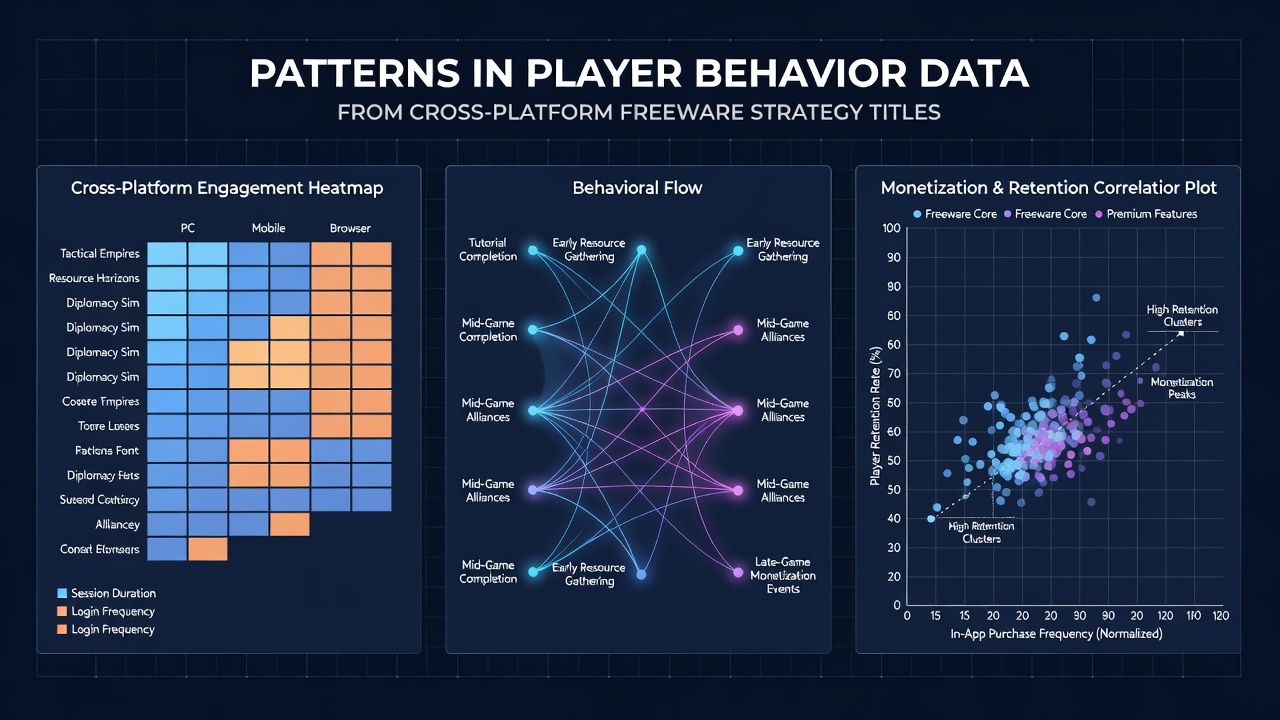
Figures from industry reports indicate that players spend longer continuous periods on desktop versions during evening hours, whereas mobile sessions tend toward shorter bursts during commutes or breaks, and this division holds steady through data gathered up to July 2026. Decision trees in strategy mechanics display noticeable shifts, with users on portable devices favoring quicker unit deployments and simplified resource paths, while desktop players explore deeper branching options and experiment with alternative strategies more frequently. Retention metrics demonstrate that titles supporting mod integrations retain users at higher rates, because community adjustments introduce fresh variables that encourage repeated engagement across both device categories.
Cross-Device Transitions and Their Effects
Telemetry reveals that a substantial portion of active accounts initiate play on one platform before migrating to the other within the same week, and such transitions correlate with changes in performance statistics such as win rates and error frequency. Researchers from varied regions, including analyses referenced by the Entertainment Software Association, document that players who alternate devices exhibit broader exploration of game systems compared with those who remain on a single platform. Resource management patterns also diverge slightly, since touch-based interfaces prompt more conservative spending during early stages, whereas keyboard and mouse setups allow faster iteration through multiple scenarios in succession.
Influence of Community Modifications on Recorded Behaviors
Mod repositories tied to these freeware releases accumulate thousands of user contributions monthly, and backend logs track how installed adjustments alter core loops such as unit balancing or puzzle integration points. Data compiled through July 2026 indicates that modified versions extend average playtime per session by measurable margins, particularly when changes introduce new strategic layers that reward experimentation. Those who study these archives find that mobile users adopt mods at slightly lower rates than desktop counterparts, yet the resulting behavior patterns still align closely once adjustments are applied, suggesting platform differences diminish after community tweaks take effect.
Regional Variations in Engagement Data
Comparisons across geographic markets show subtle differences in progression pacing, with users in certain areas displaying higher rates of collaborative play through shared save files, while others focus on solo optimization challenges. Reports from organizations such as the Interactive Games Federation highlight that freeware strategy titles maintain steady download volumes year-round, and cross-platform compatibility contributes directly to sustained interest by accommodating varied hardware preferences. Session frequency increases during periods of new content drops or mod releases, creating predictable spikes that developers use to refine future updates.
Conclusion
Aggregate datasets from cross-platform freeware strategy titles continue to supply clear indicators of how users interact with tactical systems regardless of device, and ongoing collection through the middle of 2026 reinforces the value of these insights for understanding engagement cycles. Patterns in session timing, strategy adaptation, and mod adoption provide measurable benchmarks that inform both development practices and community resource allocation, while maintaining focus on privacy standards across all tracked metrics.